

Cape Town Airbnb Rules & Regulations 2026/2027
Cape Town Airbnb Rules & Regulations 2026/2027: What Property Owners Need to Know
Last updated: 3 September 2026
Cape Town Airbnb Rules & Regulations 2026/2027: What Property Owners Need to Know
Last updated: 3 September 2026
Short-term letting and Airbnb have not been banned in Cape Town, but owners need to understand a changing regulatory environment.
As at September 2026:
• the City of Cape Town has adopted changes to its Rates Policy dealing specifically with commercial
short-term letting;
• properties used or made available for short-term letting for more than 50% of their annual room-night capacity may be treated as
commercial accommodation for municipal rating purposes;
• the City has published a draft Short-Term Letting By-law, currently open for public comment until 5 October 2026;
• the proposed By-law would introduce compulsory City registration and a registration number for
properties advertised on booking platforms;
• the City says changes to property rating categories arising from this system will take effect from 1 July 2027;
• sectional-title and homeowners’ association rules can separately restrict short-term letting; and
• rental income remains subject to applicable South African tax requirements.
Because the position is evolving, owners should distinguish carefully between rules already in force and proposals that have not yet become law.
Is Airbnb Legal in Cape Town?
There is currently no blanket City-wide prohibition on Airbnb or short-term letting in Cape Town.
However, that does not mean every property can automatically be operated as a short-term rental without further consideration.
Owners need to consider several separate layers of compliance:
1. City of Cape Town land-use and zoning requirements;
2. municipal property-rating rules;
3. the proposed Short-Term Letting By-law;
4. body corporate or homeowners’ association rules;
5. tax obligations;
6. insurance;
7. property-practitioner requirements where somebody manages the property on behalf of the owner; and
8. general guest, safety and nuisance obligations.
The correct question is therefore not simply:
“Is Airbnb legal?”
It is:
“Can this specific property be operated as a short-term rental in compliance with all the rules that apply to it?”
Major 2026 Development: Cape Town’s Short-Term Letting Changes
Cape Town’s short-term rental market is currently undergoing an important regulatory change.
The City has stated that commercial premises used primarily for short-term accommodation should be paying commercial
rather than residential property rates.
The City’s 2026/27 Rates Policy now provides a clearer test for identifying commercial short-term letting.
The 50% Short-Term Letting Test
One of the most important points for owners to understand is that the City’s calculation focuses on availability, rather than simply the number of nights actually booked.
In broad terms:
Short-term rental room nights available ÷ total annual room nights
A property’s total annual room-night capacity is calculated according to its number of bedrooms multiplied by 365.
Where short-term letting availability exceeds 50%, the property may fall into the City’s Business and Commercial rating category.
This is important because a property does not necessarily need to be occupied by guests for more than half the year to cross the threshold.
Keeping it available to book is relevant.
Simple example
For a one-bedroom apartment:
365 annual room nights are theoretically available.
If that entire apartment is listed and available for short-term letting throughout the year, the short-term letting availability ratio would be 100%.
By contrast, somebody who makes their primary residence available only occasionally while travelling may remain below the relevant threshold, subject to the City’s Rates Policy requirements.
The City has indicated that rating-category changes associated with the new short-term letting framework will apply from 1 July 2027.
Is Cape Town Introducing an Airbnb Registration System?
The City has proposed one, but it is not yet a final By-law as at 3 September 2026.
Cape Town’s draft Short-Term Letting By-law is currently undergoing public consultation.
If adopted in its present form, it would require:
• short-term rental properties listed on booking platforms to be registered with the City;
• a City-issued short-term letting registration number;
• that registration number to appear on online listings;
• owners, operators and booking platforms to supply certain availability and occupancy information to the City; and
• booking platforms to remove listings that do not display the required City registration number.
The consultation period currently runs until 5 October 2026.
Important
Owners should not publish statements claiming that a Cape Town Airbnb registration number is already compulsory.
At the time of writing, this is a proposed requirement contained in a draft By-law.
Kinesis Stay will update this guide once the final requirements and implementation dates are confirmed.
Will Commercial Airbnb Properties Pay Higher Municipal Rates?
Potentially, yes.
Cape Town has historically distinguished commercial accommodation from ordinary residential use.
What has changed is the City’s framework for identifying commercial-scale short-term letting.
Under the new approach, properties used or available for short-term letting beyond the prescribed threshold can be classified as Business and Commercial rather than Residential.
This is separate from the property’s actual Airbnb income.
Owners should therefore understand the difference between:
• nightly rate;
• occupancy;
• booking revenue; and
• the amount of time the property is made available for short-term letting.
Anyone operating a dedicated year-round holiday rental should factor potential commercial property rates into future return calculations.
Do Cape Town Zoning Rules Apply to Airbnb?
Yes, land-use rules remain relevant.
Every Cape Town property falls within the City’s Development Management Scheme, and permitted uses depend on the property’s zoning and applicable development rules.
Owners should not assume that being able to create an Airbnb listing automatically confirms land-use compliance.
If there is uncertainty — particularly where a property is operating more like a guest house or commercial accommodation establishment — owners should confirm the permitted use with the City of Cape Town’s Development Management department.
This is particularly important when changing the nature or intensity of an existing property’s use.
Can a Body Corporate Stop You From Running an Airbnb?
This is one of the most important questions for apartment owners.
Yes, a sectional-title scheme can potentially restrict short-term letting through valid scheme rules.
The Sectional Titles Schemes Management Act provides for bodies corporate to have management and conduct rules that bind owners and occupiers.
South African courts and Community Schemes Ombud Service decisions have previously upheld properly adopted rules restricting very short leases.
In the well-known Body Corporate of the Paddock v Nicholl matter, the High Court upheld the scheme’s rule preventing rentals shorter than six months.
The practical lesson is simple:
Before buying or listing a sectional-title apartment for Airbnb, obtain and read the scheme’s current registered conduct and management rules.
Do not rely solely on:
• what the seller tells you;
• the fact that other apartments in the building appear on Airbnb;
• what an estate agent remembers;
• or the absence of previous enforcement.
Owners are also generally responsible for ensuring that their guests comply with applicable scheme rules relating to matters such as noise, parking, common property and access.
What About Homeowners’ Associations and Estates?
The same principle should be kept in mind when buying into an estate governed by a homeowners’ association.
An HOA constitution or conduct rules may contain restrictions relating to:
• minimum rental periods;
• holiday letting;
• guest registration;
• security access;
• number of occupants;
• noise;
• parking; or
• use of communal facilities.
Always check these documents before relying on projected short-term rental income when purchasing an investment property.
Do You Pay Tax on Airbnb Income in South Africa?
Yes.
SARS treats rental income as taxable income.
Rental income can include income from:
• holiday homes;
• guesthouses;
• bed-and-breakfast accommodation;
• rooms rented within a home; and
• residential properties.
Certain qualifying expenses incurred in producing the rental income may be deductible, depending on the circumstances.
These can potentially include items such as:
• rates and taxes;
• property-management costs;
• repairs;
• insurance;
• levies;
• interest;
• advertising; and
• other qualifying operating expenses.
Tax treatment depends on the owner and property structure, so individual tax advice is recommended.
Does VAT Apply to Airbnb Income?
VAT requires more careful consideration.
Ordinary long-term residential accommodation and qualifying commercial accommodation are treated differently for VAT purposes.
SARS specifically recognises that short-term accommodation supplied together with domestic goods and services can constitute commercial accommodation.
From 1 April 2026, South Africa’s compulsory VAT-registration threshold increased to R2.3 million in taxable supplies over a consecutive 12-month period.
There are additional technical rules and thresholds relevant to commercial accommodation, so owners generating substantial short-term rental income should obtain advice from an accountant or tax practitioner rather than assuming Airbnb income is automatically VAT-exempt.
Does an Airbnb Property Manager Need to Be PPRA Registered?
This is another area owners often overlook.
The Property Practitioners Regulatory Authority defines a property practitioner broadly to include a person or business that, for remuneration, lets, rents, markets or manages property on behalf of someone else.
The PPRA specifically identifies the management of property held by a third-party client as property-practitioner activity.
Owners appointing somebody to professionally manage and let their property should therefore check that the business is appropriately registered and compliant.
Kinesis Stay forms part of the Kinesis Property Group and operates within the regulated South African property sector.
[INTERNAL LINK: About Kinesis Stay / Short-Term Rental Management]
This is an important distinction between appointing a professional property-management business and simply giving an informal operator access to a property and guest payments.
Does Normal Home Insurance Cover Airbnb?
Owners should never assume so.
Short-term letting changes the risk profile of a property.
Depending on the policy, standard residential insurance may contain restrictions or exclusions relating to:
• paying guests;
• commercial use;
• short-term occupancy;
• theft;
• liability;
• accidental damage; or
• periods when the owner is absent.
Body corporate insurance also does not necessarily replace an owner’s need for appropriate contents and liability cover.
Before accepting guests, tell your insurer exactly how the property will be used and obtain confirmation that the correct cover is in place.
What Rules Should Airbnb Guests Follow?
Even when short-term letting is permitted, owners should operate in a way that protects both the property and surrounding community.
At Kinesis Stay, guest management is particularly important in luxury villas and residential buildings.
Depending on the property, rules may cover:
• no parties or events without permission;
• maximum occupancy;
• quiet hours;
• parking;
• building access;
• visitors;
• smoking;
• pets;
• use of communal facilities; and
• adherence to body corporate or estate rules.
Effective guest screening and communication can prevent many problems before check-in.
A Practical Cape Town Airbnb Compliance Checklist
Before operating a property as a short-term rental, an owner should confirm:
1. Property zoning: Is the intended use permitted?
2. Rates position: Could the property qualify as commercial short-term accommodation?
3. Body corporate/HOA: Do the rules permit short-term letting?
4. Insurance: Is short-term accommodation covered?
5. Tax: Is the income being correctly declared?
6. VAT: Could commercial-accommodation VAT rules apply?
7. Management: Is any appointed manager appropriately registered?
8. Guest procedures: Are there proper screening, house rules and access procedures?
9. Safety: Is the property adequately equipped and maintained?
10. City regulation: Monitor the final outcome of Cape Town’s proposed Short-Term Letting By-law.
Will Cape Town Ban Airbnb?
There is currently no indication of a blanket ban.
The City’s present approach is instead focused on registration, information sharing and the correct municipal rating of commercial-scale short-term letting.
For professional operators and owners, greater regulation does not necessarily make short-term rentals unattractive.
It does, however, make compliance and accurate financial planning increasingly important.
The days of simply putting an investment property onto a booking platform without considering regulation, guest management and operating costs are disappearing.
Frequently Asked Questions
Do I currently need a City of Cape Town Airbnb registration number?
Not yet. As at 3 September 2026, compulsory registration forms part of a draft Short-Term Letting By-law that is still undergoing public consultation.
When does Cape Town’s new short-term letting system start?
The City has stated that changes to property rating categories under the new framework will take effect from 1 July 2027. The final implementation requirements of the proposed Short-Term Letting By-law still need to be confirmed.
Does the 50% rule mean 50% occupancy?
No. The City’s calculation relates to short-term letting availability, not simply booked nights.
Can my body corporate ban Airbnb?
A sectional-title scheme can adopt valid rules restricting short-term rentals, subject to the requirements of sectional-title legislation and CSOS processes.
Do Airbnb hosts pay tax in South Africa?
Yes. Rental income is subject to South African income-tax rules, although qualifying expenses may be deductible.
Is Airbnb still worth doing in Cape Town?
For an appropriate property in the right location, short-term rental can still be attractive. Owners should now include regulatory compliance, municipal rates and operating costs when comparing it with long-term rental.
Need Help Assessing a Cape Town Short-Term Rental Property?
Kinesis Stay manages a curated portfolio of premium apartments and luxury villas across Cape Town’s Atlantic Seaboard and City Bowl.
For owners considering short-term letting, we can assist with the practical and commercial assessment of a property, including expected guest demand, positioning, pricing and management requirements.
Where specialist legal or tax advice is required, owners should consult an appropriately qualified professional.
Contact Kinesis Stay to discuss your property.
Disclaimer: This article provides general information and does not constitute legal, tax or financial advice. Regulations may change after publication. Owners should verify their individual position with the City of Cape Town and appropriately qualified professionals.
Sources: https://www.capetown.gov.za/City-Connect/Have-your-say/Issues-open-for-public-comment/draft-short-term-letting-by-law?
https://www.sars.gov.za/types-of-tax/personal-income-tax/tax-on-rental-income/
Related articles
Cape Town Airbnb Rules & Regulations 2026/2027
Cape Town Airbnb Rules & Regulations 2026/2027: What Property Owners Need to Know
Last updated: 3 September 2026
Cape Town Airbnb Rules & Regulations 2026/2027: What Property Owners […]

What We Learned From Managing Luxury Villas in Cape Town
The 2025/2026 summer season provided valuable insights into what today’s luxury travellers are truly looking for when booking a villa in Cape Town.
At Kinesis Stay, we manage and market a […]
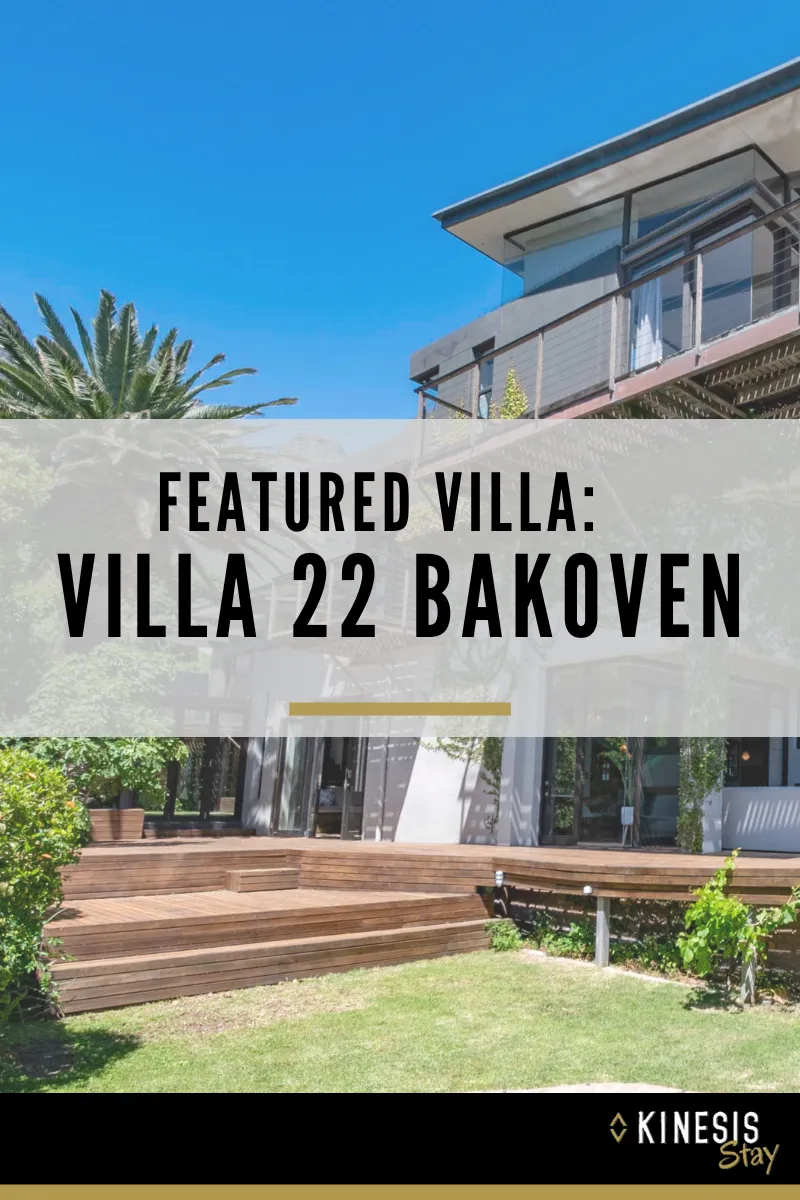
FEATURED VILLA – VILLA 22 BAKOVEN
Discover Villa 22, a light-filled contemporary home in Bakoven, Camps Bay, just a 4-minute stroll from the beach.
5 en-suite bedrooms, ocean views, multiple lounges, a pool deck, and a live-in […]

Top 10 Things Every Villa Owner Needs Before Listing on Airbnb
If you’re planning to list a high-end villa on Airbnb in Cape Town, preparation is everything. Here are the essentials your property must have before welcoming guests:
1. Professional […]

Airbnb Fees Explained (2025): The Complete Guide for Hosts & Guests
When booking or hosting on Airbnb, it’s important to understand how service fees work.
These fees help Airbnb run its platform, provide support and offer secure payment systems but the structure […]
Airbnb vs Hotels in Cape Town: What Guests Actually Experience
Cape Town is one of the world’s most loved destinations, famous for Table Mountain, golden beaches and a buzzing affordable food scene. When planning a trip, one of […]

FEATURED VILLA – LA GRANDE VUE Fresnaye
La Grande Vue, Fresnaye Villa is ideally situated on one of Cape Town’s finest streets and most popular suburbs, offering breathtaking eagle-eye views of the Atlantic Seaboard. This […]

Peak Season Cape Town: What to Expect
Cape Town’s peak season, running from December through February is when the city truly comes alive.
Long summer days, a buzzing social calendar and some of the best beach weather in […]

Discover Sea Point
Sea Point is right at the top of the list of most sought after locations and theres a number of reasons why This vibrant neighbourhood offers the perfect […]
What Airbnb Guests Really Want: 7 Things You’re Probably Missing
Let’s face it, Cape Town’s short-stay market is competitive.
Stunning views and slick interiors are no longer enough. If you’re wondering why your bookings or reviews aren’t where they should be, […]
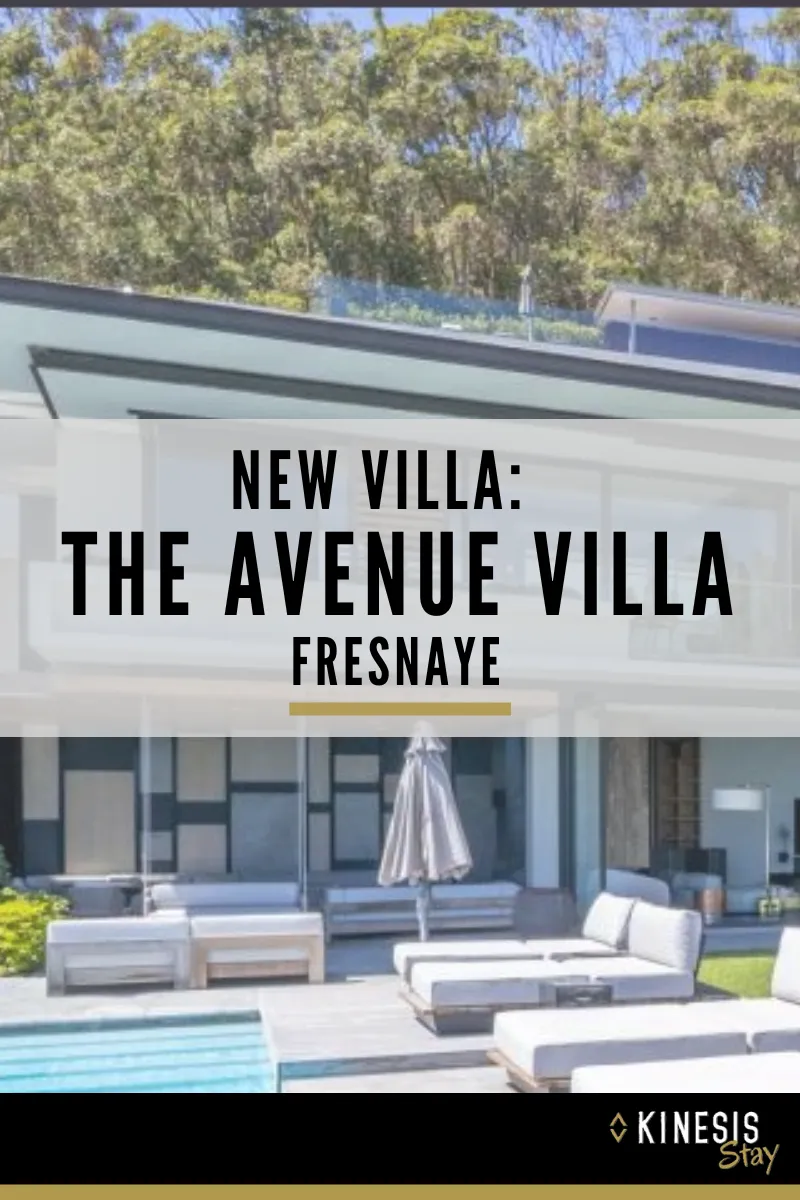
FEATURED VILLA: THE AVENUE VILLA Fresnaye
The Avenue Villa is an exquisite 4-bedroom family villa which offers serene luxury, seamlessly blending indoor and outdoor living with sensational views.
Classified as one of the higher end Lux Villas […]

Discover Green Point
If you’re planning a trip to Cape Town, choosing the right area to stay in can make all the difference. Green Point, one of Cape Town’s most vibrant and centrally […]

Top 10 Features Guests Look for in Cape Town Holiday Rentals
Cape Town is one of the world’s most beautiful cities, attracting visitors with its stunning beaches, breathtaking mountains and vibrant city life.
If you’re listing your property on Airbnb or other […]
Seasonal Trends: When to Rent Out Your Property in Cape Town
Cape Town is a city that draws visitors year-round with its breathtaking landscapes, vibrant culture, and diverse activities however when it comes to renting out your property, timing is everything […]

FEATURED VILLA – MARCO VILLA Camps Bay
The brand-new villa in the heart of Camps Bay features a heated pool with a counter-current swimming system, a gym, a large sauna, and a wine cellar. Centrally located with […]

The Benefits of Professional Property Management
Managing a rental property can be a rewarding but challenging endeavour. From marketing and guest communication to maintenance and financial management, there’s a lot to handle. That’s where professional property […]

